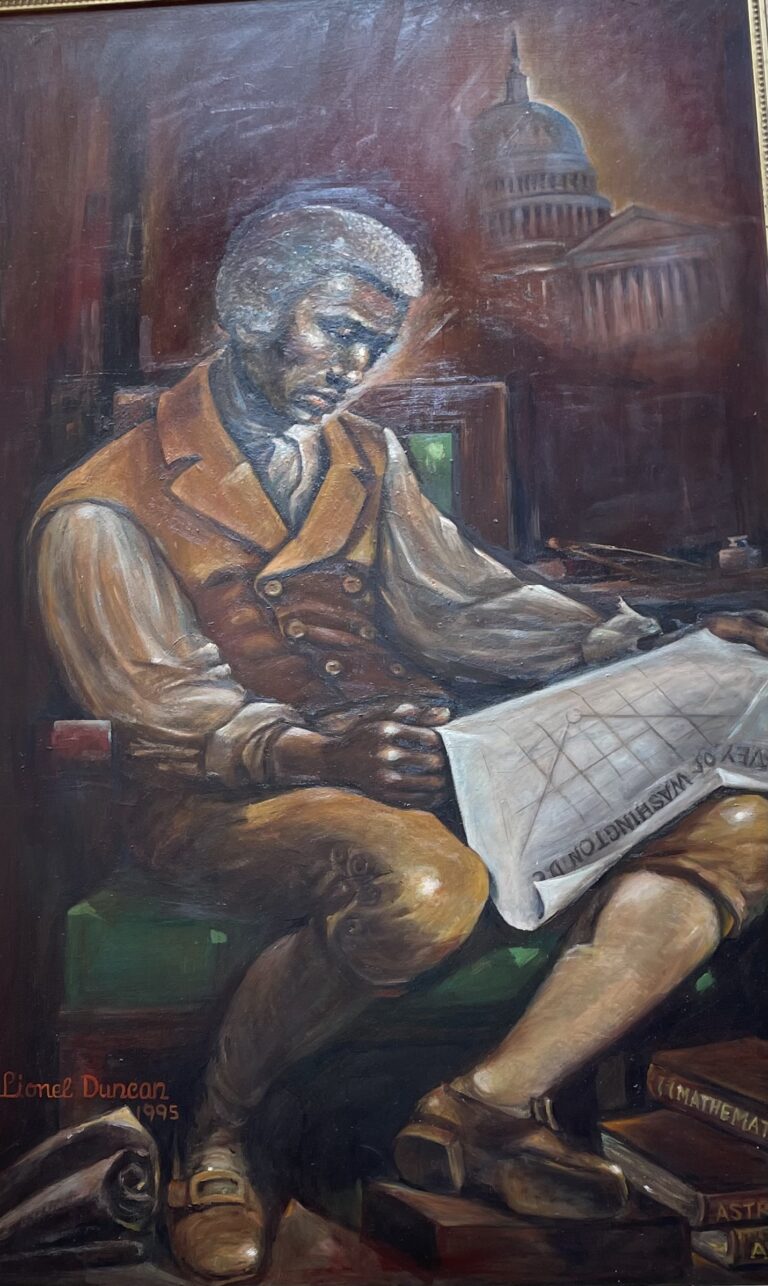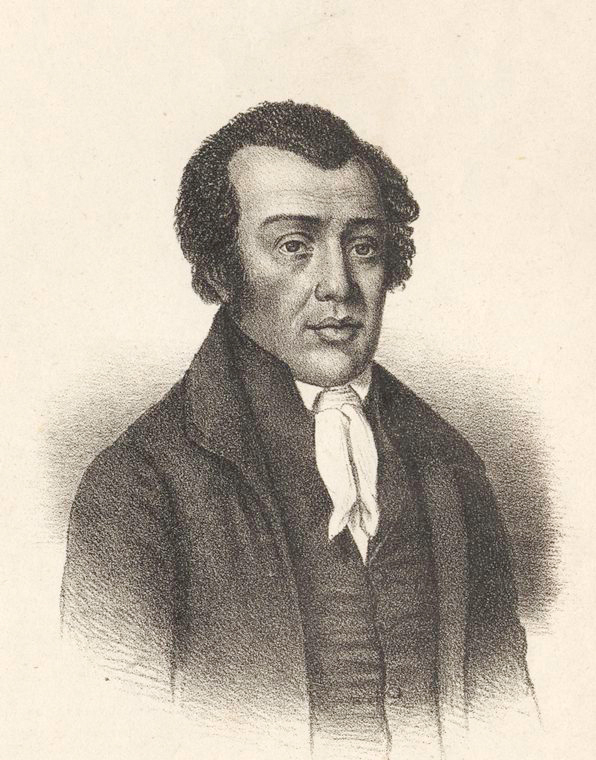
Richard Allen (1760-1831): Revolutionist for Christ… and Freedom


Interviewer: Bishop Allen, if you don’t mind me jumping ahead in your story, could you tell our readers how old you were when the Declaration of Independence was signed? Where did you live?
Bishop Allen: Ah, the Declaration … I was 16 then, I believe. It was so long ago. But I didn’t live in Philadelphia during those days. I was born in Philadelphia in 1760, but we had to move around 1767 when I was 7. That document, the Declaration of Independence, didn’t amount to much for me and us coloreds, in my opinion. I know Mr. Forten feels differently. He grew up different than I did, on the ships and all. Plus, he was free and had some schooling. But I had no desire to be a part of the white people’s war. That would have put me in bondage again in another way. My fight was as a servant of the Lord for His Kingdom, and I knew when Christ revealed himself to me that I wanted to preach.
Interviewer: I see. Tell me, is it true that many Africans and African Americans were free in Philadelphia?
Bishop Allen: The year I was born, no, not really. There were a small number, maybe a couple hundred. There were even some who were moderately wealthy and owned property and businesses. But the majority of us were slaves; many were destitute.
Things started to change slowly in our favor when the Quakers took their stand that slavery was immoral and called for members to free their slaves or risk banishment. By Pennsylvania state law, Gradual Abolition didn’t start until 1780, which, in God’s providence, happens to be the same year I bought my freedom from the man who owned me.
Interviewer: You said, “You bought your freedom”. Can you tell us about that and a little about your childhood?
Bishop Allen: My father was from the Caribbean and met my mother while they were both slaves of Benjamin Chew, a Quaker and a prominent lawyer. My parents had many children; I was one of the oldest. In 1767, due to his high debt, Mr. Chew sold my mother and us children to a farmer in Dover, Delaware. Eventually, our new owner sold my mother and the younger siblings. But for years, my mother had taught us to be good Methodists and to not stray from our faith. When I was seventeen, I had a further encounter with Jesus Christ that settled my thoughts toward seeking peace. My brother and I were zealous to show Sturgis what hard workers people of faith are.
Eventually, my brother and I convinced Sturgis to let us buy our freedom. It was not easy, not at all, but I was determined to free myself before Sturgis died, and I lost my chance. I had to find a way to work and earn that money alongside my other duties to my master. Sturgis had agreed to the amount of our worth as $ 2,000 continental. So, I started chopping wood for neighbors. Neither Mr Chew nor Sturgis were cruel men. They let us attend the meetings, and Sturgis often asked my brother and me for counsel regarding the crops. But every human possesses a soul that yearns for freedom, and the Black man or woman is no different. When I was 17, Jesus showed me that he bought freedom for my soul, and then three years later, I bought freedom for my body.
Interviewer: I’m sure there is much more to your story, Bishop Allen. You spent three years serving your master while finding time to cut wood to earn money for your freedom and still attend the fellowship.
Bishop Allen: Those days were a challenge, but I have to say that they were just a test of what I could do and what was to come in my future. They prepared me for the more challenging days as the Lord’s servant when, At 20 years old, I took to the dusty roads of Delaware, headed toward Pennsylvania, filled with a zeal to fulfill my purpose and preach the good news of the Gospel of Jesus Christ. And the job didn’t pay me like it paid the white Methodist preachers. I was not allowed to preach officially alongside white men. For that reason, I went out on my own. The Lord blessed my efforts and kept me fed and clothed; He gave me a solid speaking voice that attracted both races. I traveled hundreds of miles daily, met many wonderful people, and led them to Christ. I also became ill, and my feet suffered tremendously from all the walking, which laid me up for a bit. Someone eventually gave me a horse to ride.
Interviewer: I find The beginning of your story so inspiring. I want to do justice to the next part of your story. Let’s continue this in a 2nd interview.